Red light therapy has gained significant attention in recent years as more people look for natural ways to support their health and wellness. Unlike invasive treatments or medications, red light therapy uses specific wavelengths of red and near infrared light to stimulate the body’s natural healing processes. Whole body treatments have become especially popular because they allow multiple areas of the body to receive therapeutic light at the same time. Whether the goal is healthier skin, improved muscle recovery, reduced discomfort, or enhanced overall well being, understanding the science behind this innovative therapy can help individuals make informed decisions about incorporating it into their wellness routine.
What Is Red Light Therapy?
Red light therapy is a non invasive treatment that exposes the body to low levels of red and near infrared light. These wavelengths penetrate the skin and are absorbed by cells without producing harmful ultraviolet radiation. Unlike tanning beds or prolonged sun exposure, red light therapy does not damage the skin. Instead, it works by delivering light energy that supports normal cellular function and encourages the body’s natural repair mechanisms.
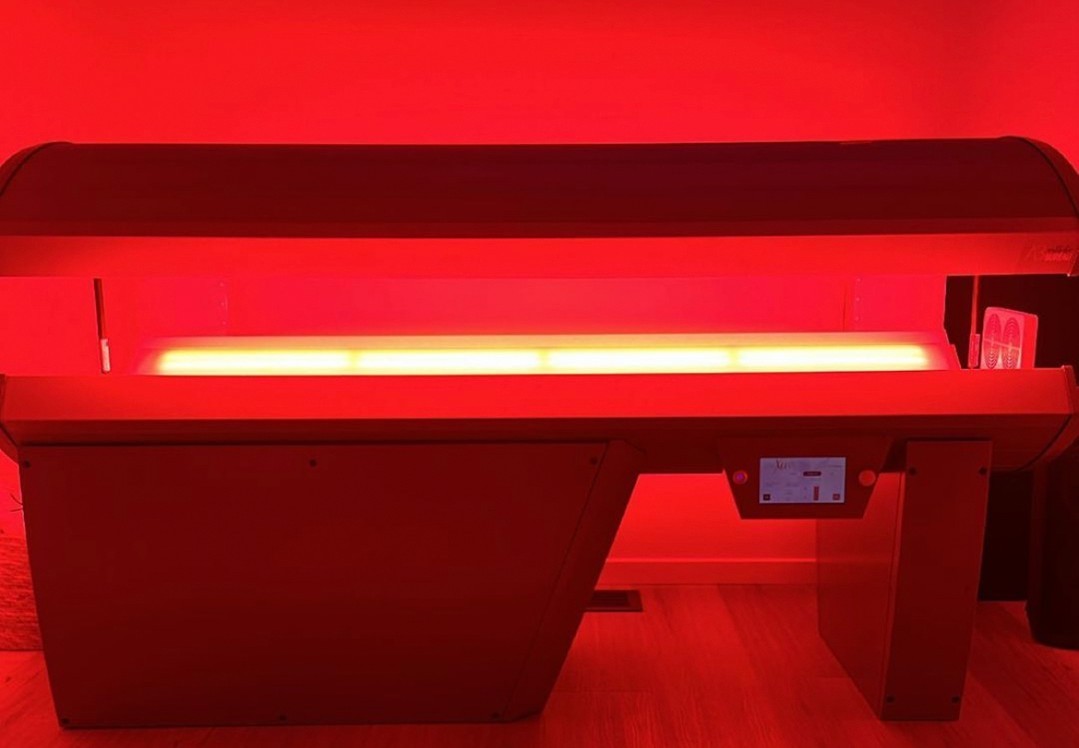
Whole body red light therapy involves standing or lying in front of a specialized light panel that delivers consistent light across a large portion of the body. This approach allows multiple muscles, joints, and skin areas to benefit during a single treatment session, making it an efficient option for people seeking comprehensive wellness support. Experience the benefits of Red Light Therapy Whole Body treatments with the Total Xen system from Aesthetic Bureau, designed to support cellular rejuvenation, muscle recovery, skin health, and overall wellness through advanced photobiomodulation technology.
How Red Light Therapy Works at the Cellular Level
The effectiveness of red light therapy begins at the cellular level. Human cells contain tiny structures called mitochondria, which are responsible for producing energy in the form of adenosine triphosphate, commonly known as ATP. ATP serves as the primary energy source that powers countless cellular activities throughout the body.
When red and near infrared light reaches the mitochondria, it stimulates cellular activity and supports more efficient energy production. As cells produce energy more effectively, they are better equipped to repair damage, reduce inflammation, and perform their normal functions. This increased cellular efficiency explains why red light therapy has been studied for various health and wellness applications, including skin rejuvenation, muscle recovery, and joint support.
Why Whole Body Treatments Are Becoming More Popular
Whole body treatments offer several advantages over treating one small area at a time. Since the body functions as an interconnected system, many individuals experience benefits when larger areas receive consistent light exposure. Athletes, fitness enthusiasts, and individuals with physically demanding lifestyles often appreciate the convenience of addressing multiple muscle groups during one session.
Whole body treatments may also support overall circulation and provide a relaxing experience that contributes to a person’s general sense of wellness. Instead of scheduling separate treatments for different parts of the body, individuals can complete a comprehensive session that targets the entire body more efficiently.
Supporting Healthy Skin Naturally
One of the most recognized benefits of red light therapy is its ability to promote healthier looking skin. As people age, the body’s natural collagen production gradually declines. Collagen is an essential protein that provides structure, firmness, and elasticity to the skin. Lower collagen levels can contribute to wrinkles, fine lines, and loss of skin firmness.
Red light therapy encourages natural collagen production by stimulating skin cells responsible for maintaining healthy tissue. Many individuals notice improvements in skin texture, tone, and overall appearance after regular treatments. It may also help reduce the appearance of certain blemishes and support the skin’s natural healing process following minor irritation.
Because whole body treatments expose larger skin surfaces to therapeutic light, they can provide more uniform skin benefits across different areas of the body rather than focusing only on the face.
Muscle Recovery and Physical Performance
Athletes and active individuals frequently use whole body red light therapy to support muscle recovery after exercise. Intense physical activity places stress on muscles, resulting in microscopic damage that requires time to heal. Recovery is an essential part of improving strength, endurance, and athletic performance.
By supporting healthy cellular function and reducing temporary exercise related inflammation, red light therapy may help muscles recover more efficiently. Some individuals report experiencing reduced muscle soreness, improved flexibility, and quicker recovery between workouts. This allows them to maintain more consistent training schedules while minimizing downtime caused by muscle fatigue.
Although results vary between individuals, many sports professionals have incorporated red light therapy into their recovery programs because of its non invasive nature and ease of use.
Joint Comfort and Mobility
Joint discomfort can affect people of all ages, particularly those who participate in regular physical activity or spend long hours performing repetitive tasks. Red light therapy has attracted interest for its potential to support healthy joints by encouraging circulation and reducing temporary inflammation in surrounding tissues.
Whole body treatments may be especially useful for individuals experiencing discomfort in multiple joints at the same time. Instead of targeting one area, the therapy delivers light to various regions simultaneously, providing a more comprehensive wellness experience. Many people combine red light therapy with stretching, exercise, and healthy lifestyle habits to support long term mobility.
Improving Circulation and Cellular Repair
Healthy circulation is essential for delivering oxygen and nutrients throughout the body. Proper blood flow supports tissue repair, muscle recovery, and overall cellular health. Red light therapy may encourage improved circulation by stimulating natural biological processes that help blood vessels function efficiently.
Better circulation allows nutrients to reach tissues more effectively while assisting the removal of metabolic waste products. Combined with enhanced cellular energy production, this process supports the body’s natural ability to repair itself following daily physical stress and normal wear.
What to Expect During a Whole Body Session
A whole body red light therapy session is generally simple and comfortable. Individuals stand or lie in front of specially designed light panels for a predetermined amount of time. The treatment is painless, and the lights generate minimal heat, allowing most people to relax throughout the session.
The number of sessions needed depends on individual goals, overall health, and the specific treatment plan recommended by the provider. While some individuals notice improvements after only a few sessions, others achieve the best results through consistent treatments over several weeks.
Maintaining realistic expectations is important because red light therapy supports the body’s natural healing processes rather than producing immediate dramatic changes.
Is Red Light Therapy Safe?
When performed using professionally designed equipment and appropriate treatment guidelines, red light therapy is generally considered safe for most healthy adults. Unlike ultraviolet light, the wavelengths used in red light therapy do not burn the skin or increase the risk of sun related skin damage.
Individuals with certain medical conditions, those taking medications that increase light sensitivity, or anyone who is pregnant should consult their healthcare provider before beginning treatment. Choosing an experienced provider also helps ensure proper treatment protocols and safe equipment operation.
Conclusion
The growing popularity of whole body red light therapy reflects increasing interest in non invasive wellness solutions that work with the body’s natural biological processes. By supporting healthy cellular energy production, encouraging collagen formation, promoting muscle recovery, and improving overall tissue function, red light therapy offers a wide range of potential benefits for individuals seeking to enhance their health and quality of life.
Although ongoing research continues to expand our understanding of this technology, many people have already incorporated whole body red light therapy into their regular wellness routines. When combined with healthy nutrition, regular exercise, quality sleep, and professional medical guidance when needed, red light therapy can become a valuable part of a balanced approach to long term health and well being.